
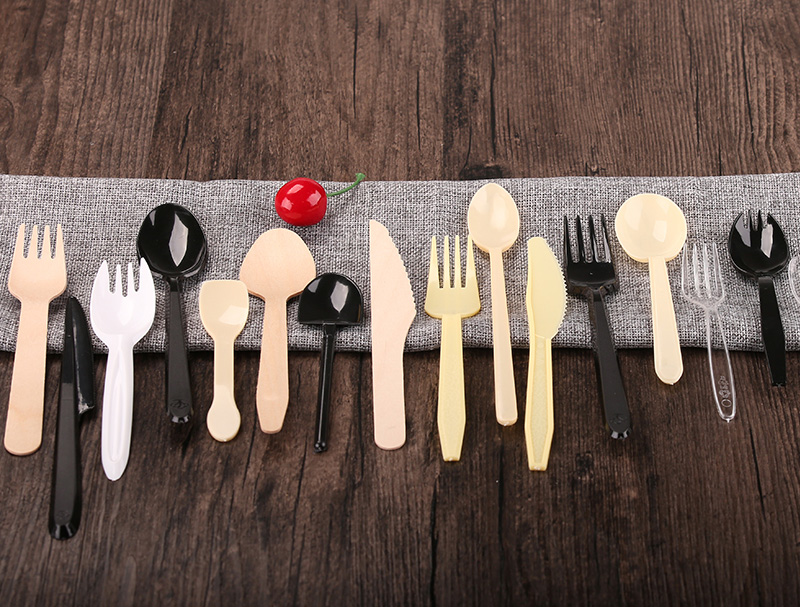
Plastic cutlery—comprising forks, knives, spoons, and sometimes teaspoons—has become a ubiquitous part of modern life, valued for its convenience and affordability. Used in restaurants, cafes, catering events, and households, it addresses the need for quick, disposable or reusable eating utensils without the hassle of cleaning. Made from various plastic materials, it balances functionality with practicality, though it also raises important environmental questions that users increasingly consider.
One of the primary reasons for the popularity of plastic cutlery is its convenience. Disposable variants eliminate the need for washing, making them ideal for takeout, fast-food chains, picnics, and outdoor events where cleaning facilities are limited. Reusable plastic cutlery, on the other hand, offers a lightweight alternative to metal utensils, suitable for travel, camping, or households with children. Its compact size also makes it easy to store and transport, adding to its practicality in busy settings.
Material diversity contributes to the versatility of plastic cutlery. Common materials include polystyrene, polypropylene, and polyethylene, each with distinct properties. Polystyrene cutlery is rigid and affordable, making it a common choice for disposable options. Polypropylene, by contrast, is more durable and heat-resistant, often used for reusable cutlery that can withstand dishwasher use. Some variants also use biodegradable plastics, crafted from plant-based materials like cornstarch, aiming to reduce environmental impact.
Affordability is another key factor driving the use of plastic cutlery. Disposable sets are cost-effective for businesses, allowing them to keep costs low while providing essential utensils to customers. For households, reusable plastic cutlery is often more budget-friendly than metal or ceramic alternatives, especially for families with young children who may misplace or damage utensils. This cost efficiency makes it accessible to a wide range of users across different settings.
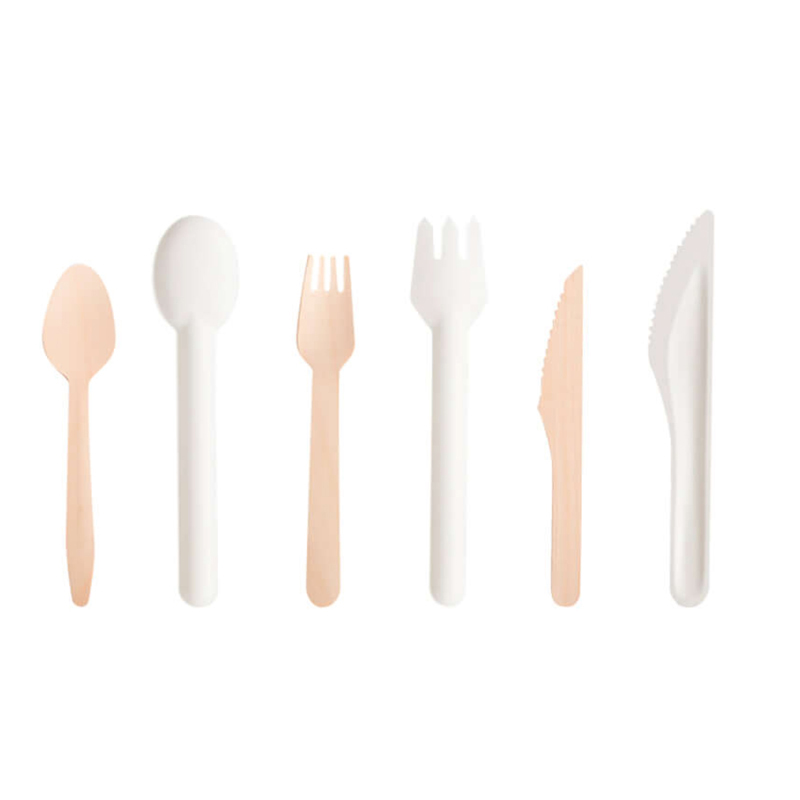
Despite its benefits, plastic cutlery faces significant environmental challenges. Disposable plastic cutlery is a major contributor to single-use plastic waste, often ending up in landfills, oceans, or natural habitats where it takes hundreds of years to decompose. This has led to growing awareness and calls for sustainable alternatives. Many regions have implemented bans or restrictions on single-use plastic cutlery, prompting the adoption of biodegradable options or encouraging the use of reusable utensils.
When choosing plastic cutlery, users can make more sustainable decisions by opting for reusable or biodegradable variants. Reusable plastic cutlery, when properly maintained, can last for years, reducing the need for frequent replacements. Biodegradable options, while sometimes more expensive, break down naturally over time, minimizing long-term environmental harm. Additionally, proper disposal—such as recycling reusable plastic cutlery at the end of its lifespan—further reduces its ecological footprint.