
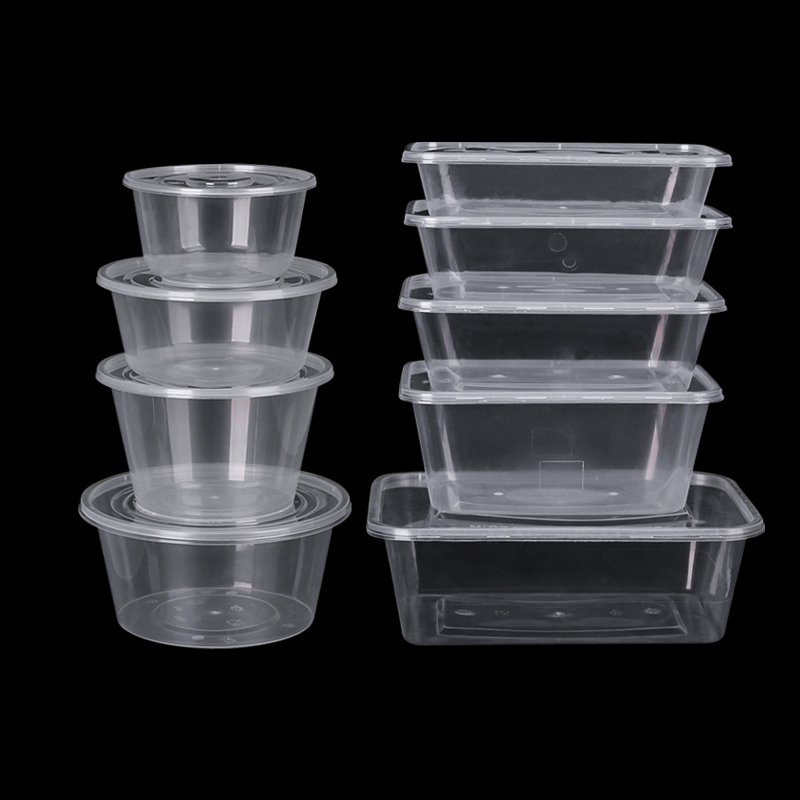
In the daily tableware system, plastic bowls have become an indispensable presence in households, dining places, and outdoor scenes due to their lightweight, durable, affordable, and convenient use characteristics. From daily serving of hot dishes and soups in the home kitchen, to meal packaging for takeout delivery, to portable equipment for outdoor picnics, plastic bowls integrate into diverse living scenarios with flexible adaptability, meeting people’s needs for convenient food with practical properties, and becoming an important carrier connecting daily food and efficient life.
The story of plastic bowls began with the advancement of materials science. Since the mid-20th century, with the development of polymer chemistry, food grade plastics such as polypropylene (PP) and polyethylene (PE) have gradually entered daily life from the industrial field. These materials have the characteristics of being lightweight, not easily broken, and corrosion-resistant, which precisely meets the multiple demands of modern society for the convenience, safety, and economy of catering containers.
Unlike traditional ceramic or metal vessels, the molding process of plastic bowls, mainly injection molding, makes large-scale and standardized production possible. Plastic particles are melted at high temperatures and injected into precision molds. After cooling and shaping, they become bowls with regular shapes. This production method not only has high efficiency, but also achieves complex design details: anti slip base, easy to grip handle, stacked buckle. These detailed designs that conform to modern people’s usage habits are molded in one go in the mold, reflecting the delicate care of industrial production for daily life.
In terms of functional design, plastic bowls have evolved to adapt to different scenarios. Bowl with lid design for easy carrying and temporary storage of food; The style of grid design meets the needs of nutritional matching and food separation; The small dessert bowl and the large salad bowl correspond to different dietary contents. These divisions are not only changes in form, but also responses to the diverse dietary habits of modern people. Plastic bowls, with their adaptability, participate in the extension of the concept of “dining table” – dining tables are no longer limited to fixed physical spaces, but move with these lightweight containers to any place where food can be eaten, such as park lawns, office desks, transportation, etc.
Safety regulations are the core prerequisite for the production and use of plastic bowls. With the continuous improvement of industry standards, the production of qualified plastic bowls must strictly follow the safety requirements for food contact plastics, select food grade native plastic materials, and prohibit the use of recycled plastics or the addition of harmful plasticizers, stabilizers, and other substances. The surface of regular plastic bowls will be clearly labeled with the “food contact” label, material code, and temperature range for use, providing clear guidance for consumers’ choices. During use, follow the temperature limit corresponding to the material and avoid using ordinary plastic bowls to hold food at excessively high temperatures or prolonged microwave heating, which can further ensure safety and avoid the risk of harmful substance precipitation.
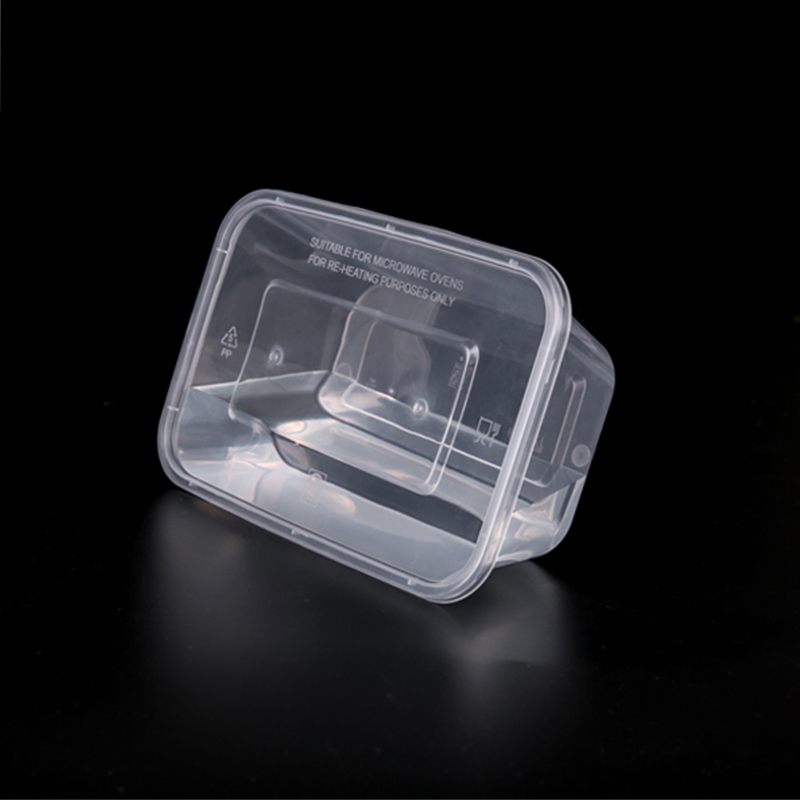
The application scenarios of plastic bowls have achieved full dimensional coverage and penetrated into various aspects of daily life. In family settings, it can be used as an auxiliary utensil for daily serving of dishes and soup, as well as for temporary storage and refrigeration of ingredients; In the field of food delivery, disposable plastic bowls have become the mainstream choice for food delivery due to their good sealing and leak resistance, effectively ensuring the integrity of meals during transportation; Durable plastic bowls, which are easy to clean and reusable, reduce the cost of tableware in collective dining places such as campus canteens and corporate restaurants; In outdoor settings, it is an essential utensil for picnicking, camping, and sports travel, suitable for diverse outdoor dining needs.
The cultural significance of plastic bowls goes far beyond their physical function. It is a populist and democratic utensil – affordable and easy to obtain, breaking down the class divisions once symbolized by exquisite porcelain. It is also a materialized manifestation of the temporary and fluid nature of modern life, echoing the flexible and ever-changing lifestyle of contemporary people. In some contexts, plastic bowls have even become symbols of nostalgia. Those children’s plastic bowls printed with cartoon patterns hold memories of a generation’s childhood; A simple transparent plastic bowl may be associated with simple meals from student days or years of hard work. The accumulation of these emotional values has made plastic bowls transcend mere functional objects and become containers for recording personal and historical memories.
Plastic bowls, with their convenient and practical core properties, have become an important driving force for modern fast-paced life. From material innovation to safety standards, from scene adaptation to environmental transformation, the development of plastic bowls has always revolved around people’s actual needs. In the future, with the continuous breakthroughs in environmentally friendly material technology and the continuous improvement of industry standards, plastic bowls will not only ensure convenient use, but also better meet the needs of ecological and environmental protection, providing practical support for people’s daily lives.
No matter how the shape changes, the human needs that plastic bowls respond to still exist: the need for safe food storage, the need for lightweight and easy-to-use containers, and the need to adapt to mobile life. A better solution for the future may not simply negate plastic bowls, but through the collaborative progress of material science, product design, usage patterns, and recycling systems, to preserve the advantages of such containers while minimizing environmental impact.