
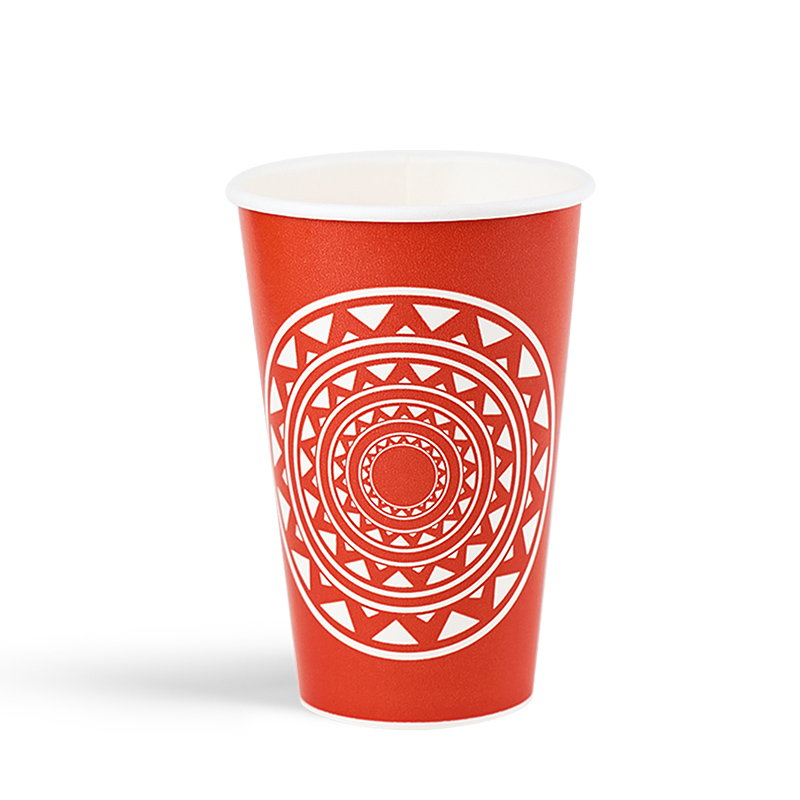
In the fast-paced modern life, Paper Single Wall Cup has become an indispensable beverage container in dining consumption, office reception, family gatherings and other scenes due to its lightweight and economical characteristics. This container, consisting of a single-layer paper substrate and protective coating, may seem simple, but it constantly iterates in material design, functional adaptation, and environmental protection concepts, accurately matching the diverse usage needs of various scenarios.
The popularity of single-walled cups is rooted in their ability to accurately meet the needs of specific scenarios. Single walled cups provide unparalleled operational efficiency in fast food restaurants, convenience stores, large events, or offices where rapid and extensive distribution of beverages is required. Its lightweight characteristics reduce logistics costs, and the stacked design saves valuable storage and counter space. For merchants, single wall cups are a rational choice to maximize economic benefits while ensuring basic safety (usually able to withstand temperatures around 85 ℃) and leak prevention.
Strong adaptability to different scenarios is the key to the widespread application of Paper Single Wall Cup. In cold drink scenarios, such as ice drinks at convenience stores and chilled fruit juices for outdoor activities, lightweight single-layer paper cups do not require complex insulation designs and can flexibly adapt to straws and cup lids. Additionally, condensed water droplets on the cup body are not easy to penetrate and can be discarded directly after use, saving cleaning trouble. In scenarios such as office reception and small meetings, its moderate capacity (150-350ml) can meet the basic beverage needs of coffee, tea, drinking water, etc. It is convenient to access in bulk and greatly improves reception efficiency. For temporary scenarios such as sample tasting and short-term activities, the low-cost advantage of is particularly prominent. It can meet the demand for disposable use, effectively control operating costs, and avoid the loss and cleaning pressure of repeated tableware.
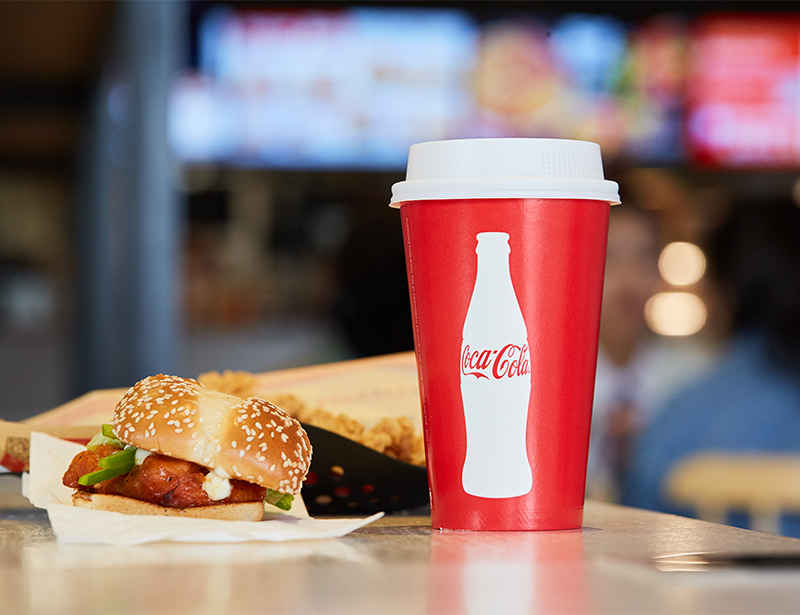
The main substrate of single-layer paper cups is pulp, usually sourced from wood. However, pure paper is prone to softening and leakage when exposed to liquids, so manufacturers will cover the inner walls of paper cups with a very thin layer of polyethylene plastic film. This film plays a crucial role in waterproofing and oil resistance, ensuring that the cup can safely hold hot or cold drinks without deformation. From a functional perspective, this design is undoubtedly successful: it provides basic insulation, effectively preventing hand burns; Its lightweight characteristics reduce transportation costs; Disposable use also eliminates the need for cleaning and meets hygiene requirements in specific situations. It is these practical advantages that support its widespread presence in the market.
In the current era where environmental protection concepts are increasingly deeply rooted in people’s hearts, the Paper Single Wall Cup is upgrading towards sustainability. More and more products are made from over 85% renewable materials, and the paper source is certified by sustainable forestry to ensure the ecological rationality of raw material extraction. The application of biodegradable coatings allows discarded paper cups to gradually decompose in the natural environment, significantly reducing the risk of environmental pollution compared to plastic containers. At the same time, the industry is also exploring more efficient recycling systems, and some regions have established specialized paper cup recycling channels to achieve resource recycling by separating paper materials from coatings.
From a broader perspective, the story of single-layer paper cups reflects the universal dilemma brought about by our linear economic model of “acquire, manufacture, discard”. It reminds us that while enjoying modern convenience, we must take into account the full cycle impact of products from cradle to grave. In the future, perhaps it lies in the transition to a circular economy model: prioritizing the singularity and recyclability of materials from the beginning of design, establishing a more comprehensive recycling system, and ultimately encouraging a fundamental shift in consumption patterns.