
Paper cups have become an integral part of daily life, serving as a go-to container for hot and cold beverages across various settings. Their blend of convenience, lightweight design, and adaptability has made them popular among consumers and businesses alike. Yet, as environmental awareness rises, discussions around their sustainability have intensified. This article explores the core attributes, diverse applications, sustainability advancements, and practical usage tips of paper cups, offering a comprehensive overview for readers.
A key feature of paper cups is their functional design, tailored to meet beverage-serving needs. Most are constructed with a paper outer layer and an inner lining—traditionally polyethylene, now increasingly plant-based alternatives—to prevent leakage and resist temperature changes. This lining ensures the cup retains its shape when holding hot drinks like coffee or tea, while also preventing condensation from cold beverages such as iced soda or smoothies. Their lightweight nature makes them easy to carry, and their compact size simplifies storage, a major advantage for businesses with limited space, such as cafes, food stalls, and event venues.
The usage of paper cups spans far beyond commercial establishments. They are a staple at outdoor events, festivals, and sports gatherings, where disposability eliminates the hassle of cleaning and transporting reusable items. In offices, schools, and healthcare facilities, paper cups offer a hygienic solution, reducing the risk of cross-contamination compared to shared mugs. Even in households, they are often used for gatherings or when quick cleanup is a priority. Their versatility also extends to specialized uses, such as portion-controlled servings of snacks or as temporary containers for small items, highlighting their multifunctional nature.
Sustainability has emerged as a central focus for paper cup production and usage. Historically, the plastic lining made paper cups difficult to recycle, leading to significant landfill waste. However, industry innovations have addressed this issue: many manufacturers now use recyclable or compostable linings made from materials like PLA (polylactic acid), derived from corn starch. Additionally, there is a growing shift toward using recycled paper or pulp from sustainably managed forests, reducing the environmental impact of raw material sourcing. Various regions have also implemented recycling programs and public awareness campaigns to improve proper disposal rates.
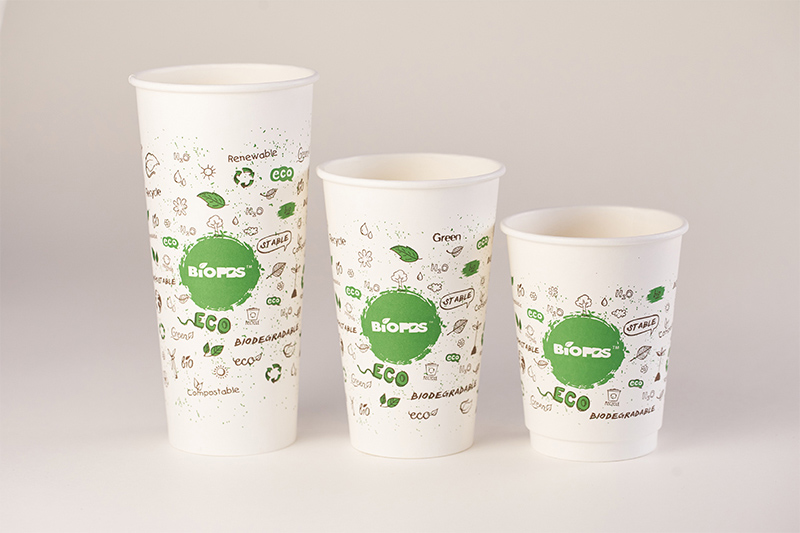
To maximize the environmental benefits of paper cups, both consumers and businesses can take practical steps. Consumers should dispose of paper cups in designated recycling or compost bins, avoiding contamination with food waste or non-recyclable materials. Businesses can opt for cups certified by sustainability standards, which ensure responsible production practices. Additionally, promoting reusable alternatives for regular customers—such as branded tumblers—can reduce overall paper cup consumption without compromising convenience for occasional users.
While paper cups offer numerous advantages, they are not without challenges. Production still requires water and energy, and improper disposal can contribute to litter. However, compared to single-use plastic cups, paper cups have a lower carbon footprint and are more biodegradable when disposed of correctly. Ongoing research and development are focused on further reducing their environmental impact, such as developing fully compostable materials and improving recycling infrastructure.