
On the streets and alleys of the city, people rush around holding paper cups outside coffee shops. In the office, paper cups are piled up like mountains, and disposable paper cups are convenient for distributing drinks during family gatherings – paper cups have become ubiquitous daily necessities in modern life. This lightweight and hygienic container has quietly changed our drinking habits since its invention in the early 20th century. However, with the awakening of environmental awareness, the environmental issues of paper cups are becoming increasingly prominent. Can we find a balance between convenience and environmental protection?
The core competitiveness of paper cups comes from their inherent convenience. Compared to containers made of ceramics, glass, and other materials, paper cups are lightweight, easy to carry, and do not require repeated cleaning, fundamentally solving the hygiene hazards and cleaning burden in multi person scenarios. In scenarios such as food and beverage takeout, large-scale events, and public services, the advantages of paper cups are particularly prominent: when delivering takeout, they can adapt to different beverage temperatures and are not easily damaged; After the use of public places such as campuses and stations, they can be directly centralized for treatment, effectively reducing the risk of cross contamination. For busy office workers and commuters, paper cups are a great helper to save time and costs, allowing people to conveniently enjoy drinks while on the go.
The innovation of material and craftsmanship is the key to adapting paper cups to modern needs. Early paper cups were mostly made of single-layer paper materials, which were prone to leakage, had poor thermal insulation, and the inner wall coating may have safety hazards. Nowadays, most paper cups on the market use food grade base paper, combined with safety coatings to enhance waterproof and leak proof performance. With the upgrading of environmental protection requirements, traditional plastic coatings are gradually being replaced by plant-based coatings and biodegradable coatings. These coatings not only ensure the safety of beverages, but also reduce the impact of subsequent processing on the environment. Some high-end paper cups will also adopt a double-layer paper structure to enhance insulation and improve the user experience, while maintaining the environmentally friendly properties of the material.
Faced with environmental challenges, various parties are actively seeking a balance point in the use of paper cups, through technological innovation and changes in consumer behavior, to reduce the environmental footprint of paper cups while maintaining convenience.
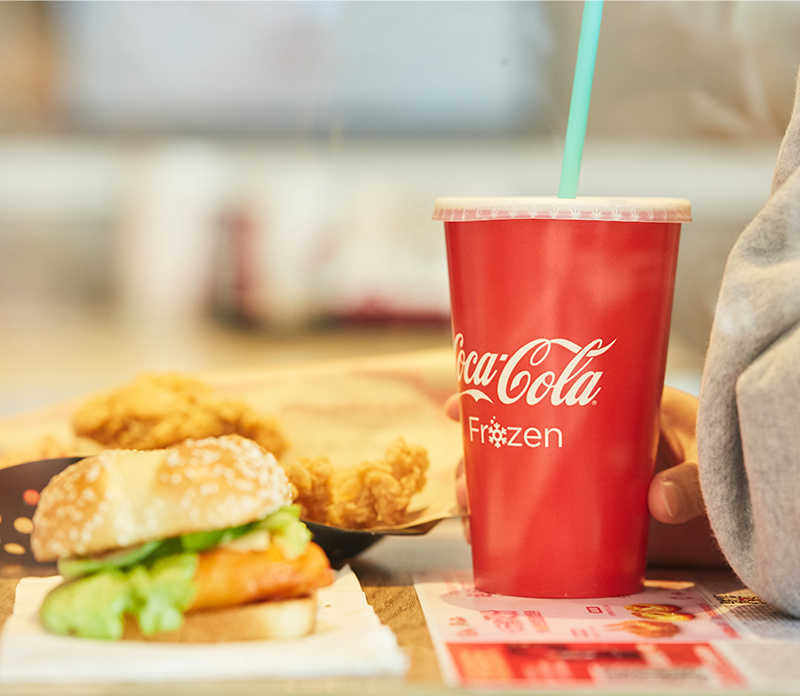
Material innovation: Fully compostable paper cups are currently under development, using plant-based plastic (PLA) coatings or water-based barrier coatings instead of traditional polyethylene coatings. Some companies even develop “edible” cups made from cookies or seaweed that can be consumed or naturally broken down after use. A more forward-looking design is the “seed paper cup” – which can be buried in the soil after use to grow plants.
Complete recycling system: A recycling project specifically targeting paper cups is being promoted globally. Countries such as the UK have set up dedicated paper cup recycling bins in public places and collaborated with professional recycling factories to ensure that paper cups are properly disposed of. Consumer education is equally important – clearly indicating how to properly dispose of paper cups and improve recycling rates.
Business model transformation: Deposit based cup making systems have emerged in multiple cities, where consumers pay a small deposit to borrow reusable cups and return the deposit. Starbucks and other large chain companies have launched a “bring your own cup discount” policy to encourage consumers to change their habits. In the workplace, promoting the use of personal cups instead of disposable paper cups has also achieved results.
Consumer behavior change: More and more people are carrying personal travel cups, which are both personalized and environmentally friendly. Simple changes such as “waiting a little longer to drink ceramic cup coffee in the store” can accumulate and produce significant environmental benefits.
The adaptability of paper cups is constantly expanding, and with its flexible design features, it can meet the needs of different scenarios. In festive celebrations, public welfare events, small gatherings, and other occasions, paper cups can convey thematic information through simple patterns and text designs, without affecting their functionality and adding atmosphere to the scene. This design flexibility does not come at the expense of safety, and all printing materials must comply with food grade standards to ensure that harmful substances are not produced when in contact with beverages, balancing aesthetics and safety.