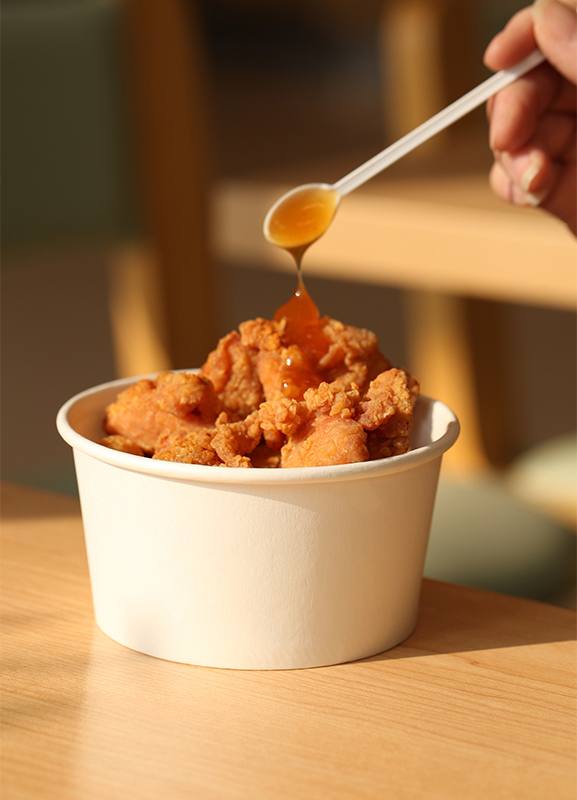
Paper bowls have become a staple in both commercial and residential settings, offering a practical solution for serving a wide range of foods, from soups and salads to desserts and snacks. Their popularity stems from a unique combination of convenience, durability, and adaptability, while growing environmental consciousness has driven innovations in their sustainability. This article explores the key features, diverse applications, eco-friendly advancements, and practical considerations of paper bowls, providing a comprehensive guide for readers.
A defining characteristic of paper bowls is their structural design, engineered to handle various food types and temperatures. Most paper bowls feature a thick paper base reinforced with a protective lining—traditionally polyethylene, now increasingly plant-based alternatives like PLA (polylactic acid). This lining prevents leakage, resists moisture absorption, and ensures the bowl retains its shape when holding liquid-based foods such as soups, stews, or oatmeal. Additionally, many paper bowls are designed with sturdy rims, making them easy to hold and reducing the risk of spills, a crucial advantage for on-the-go consumption.
The applications of paper bowls are remarkably diverse, catering to numerous scenarios. In commercial settings, they are widely used in restaurants, fast-food chains, food trucks, and catering services, where quick service and easy cleanup are priorities. They are also a mainstay at outdoor events, festivals, picnics, and sports gatherings, as their disposability eliminates the need for transporting and cleaning reusable dishes. In residential settings, paper bowls are favored for casual meals, children’s snacks, or small gatherings, simplifying post-meal cleanup. Furthermore, they are used in healthcare facilities and schools, where hygiene and convenience are paramount, reducing the risk of cross-contamination.
Sustainability has emerged as a key focus in the paper bowl industry, addressing concerns about single-use waste. Historically, the plastic lining made paper bowls difficult to recycle, leading to significant landfill accumulation. However, recent innovations have transformed their eco-credentials: many manufacturers now use recyclable or compostable linings derived from renewable resources. Additionally, there is a growing shift toward using recycled paper or pulp from sustainably managed forests, reducing deforestation and carbon emissions associated with raw material sourcing. Various regions have also implemented recycling programs and public awareness initiatives to improve proper disposal rates of paper bowls.
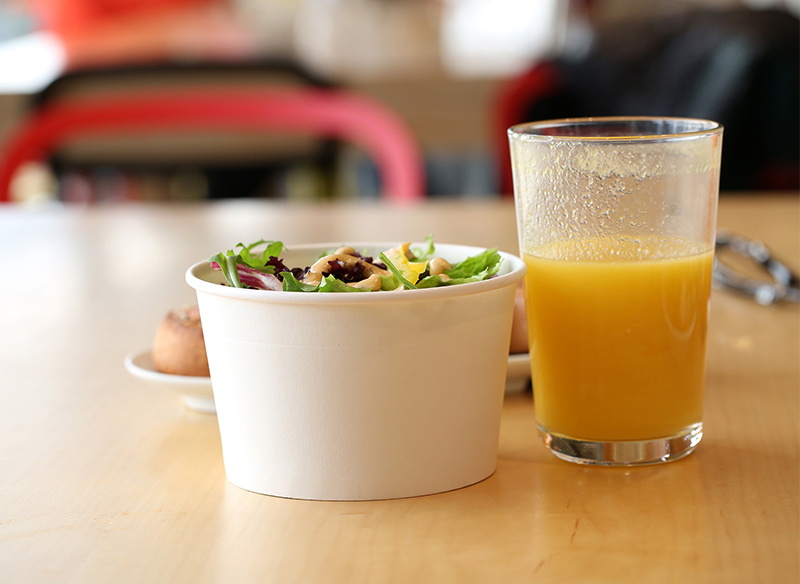
To enhance the environmental impact of paper bowls, both consumers and businesses can adopt simple practices. Consumers should dispose of paper bowls in designated recycling or compost bins, avoiding contamination with non-recyclable materials or excessive food residue. Businesses can opt for paper bowls certified by recognized sustainability standards, ensuring adherence to responsible production practices. Additionally, promoting reusable alternatives for regular customers—such as ceramic or stainless-steel bowls—can reduce overall paper bowl consumption without compromising convenience for occasional users.
While paper bowls offer numerous benefits, they face inherent challenges. Their production requires water and energy, and improper disposal can contribute to litter and environmental pollution. However, compared to single-use plastic bowls, paper bowls have a lower carbon footprint and are more likely to decompose over time when disposed of correctly. Ongoing research and development are focused on addressing remaining gaps, such as improving the recyclability of lined bowls and reducing the environmental impact of production processes.