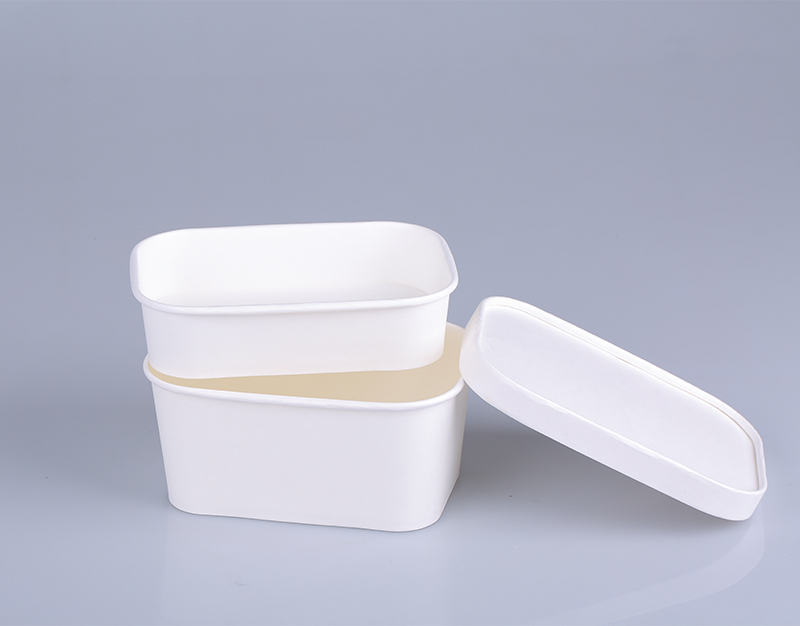
In the current era of constantly upgrading consumer attitudes, people’s attention to healthy and environmentally friendly food is increasing. As an important part of the food chain, tableware selection is undergoing a transformation from prioritizing convenience to emphasizing both health and environmental protection. Paper Bowl, with its natural and safe materials, biodegradable environmental characteristics, and practical value in adapting to various scenarios, has gradually become the mainstream choice to replace traditional plastic tableware. It has been integrated into many daily life scenarios such as food delivery, outdoor picnics, and family life, and has become an important carrier of green lifestyle.
The core charm of paper bowls lies in the duality of their materials. High quality paper bowls are usually based on food grade paper, with a thin and uniform waterproof coating on the inside, which allows them to withstand certain temperatures and humidity while effectively preventing leakage. This design cleverly balances functional needs – ensuring food safety and a satisfying eating experience – while adhering to an environmentally friendly starting point primarily based on renewable plant fibers. From the forest to the dining table, the lifecycle of paper bowls begins with sustainably managed forest resources, transformed into flexible paper through modern pulping technology, and then precision processed into shape. Every paper bowl embodies the wisdom of transforming natural resources into industrial products.
The core advantage of Paper Bowl lies in its excellent safety performance, which strengthens the defense line of dietary health from the source. Unlike traditional disposable plastic tableware that may release harmful chemicals such as polystyrene in high temperature environments, high-quality Paper Bowl raw materials are mostly derived from natural plant fibers such as wood, bamboo, sugarcane bagasse, etc., which come with green and safe genes. During the production process, Paper Bowl, which meets national standards, strictly adheres to food contact material safety regulations and does not add harmful chemical additives. Through multiple purification processes, the raw materials are ensured to be pure and free of impurities, fundamentally eliminating the risk of harmful substances migrating into food. At the same time, the disposable nature of Paper Bowl avoids the problem of bacterial growth caused by incomplete cleaning of reusable tableware. Each newly opened Paper Bowl can provide a clean storage space for food, effectively reducing the risk of bacterial cross transmission and adapting to the hygiene needs of various catering scenarios.
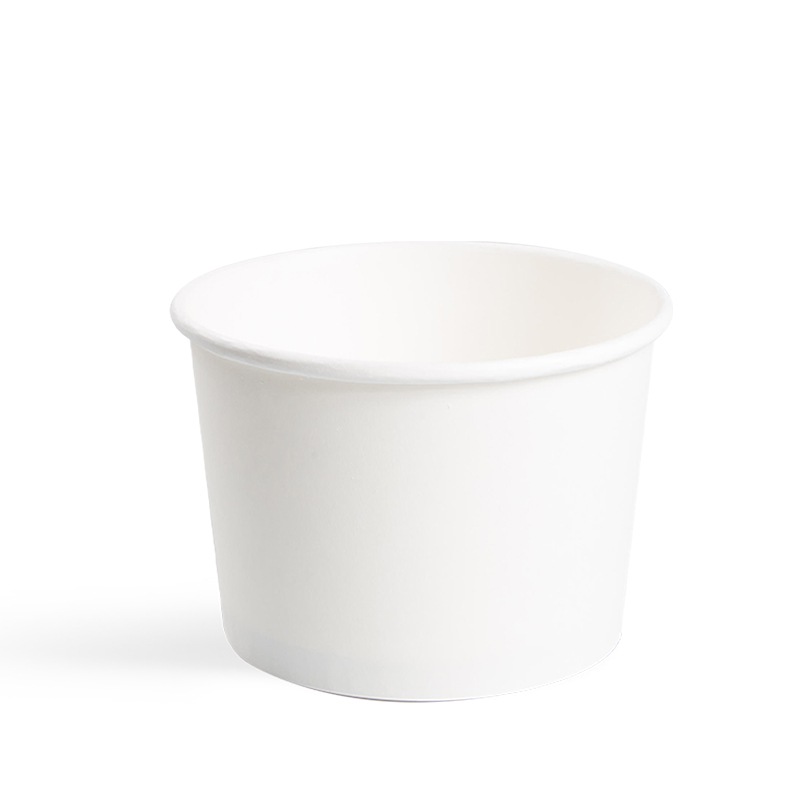
With the continuous upgrading of technology, the practical performance of Paper Bowl continues to be optimized to meet more diverse usage needs. Nowadays, Paper Bowl has achieved breakthroughs in waterproofing, oil resistance, and high temperature resistance through improved production processes. Even when storing hot soup or fried food that has just been cooked, it is not easy to leak or deform. Some products can also be adapted to microwave heating to meet convenient heating needs. In terms of specification design, Paper Bowl has a variety of capacity options from several hundred milliliters to more than 1500 milliliters, which can not only meet the needs of children’s Dim sum and adults’ dinner, but also meet the needs of large soup and group meals. At the same time, the lightweight design makes the Paper Bowl easy to carry, whether it’s food packaging for outdoor picnics or long-distance transportation for takeout delivery, it can maintain stability and bring great convenience to life.
From a broader perspective, the prevalence of paper bowls also reflects the changes in consumer culture. It echoes the modern preference for efficient and hygienic eating habits, especially in the context of takeout and takeaway. But with it comes a reflection on the disposable culture itself. True sustainability lies not only in the end of product treatment, but also in reducing and reusing at the source. This prompts us to think: how to cultivate more environmentally responsible consumption habits while providing convenience? Encouraging reusable containers or choosing disposable alternatives with better design and less environmental impact when necessary are directions worth exploring.