
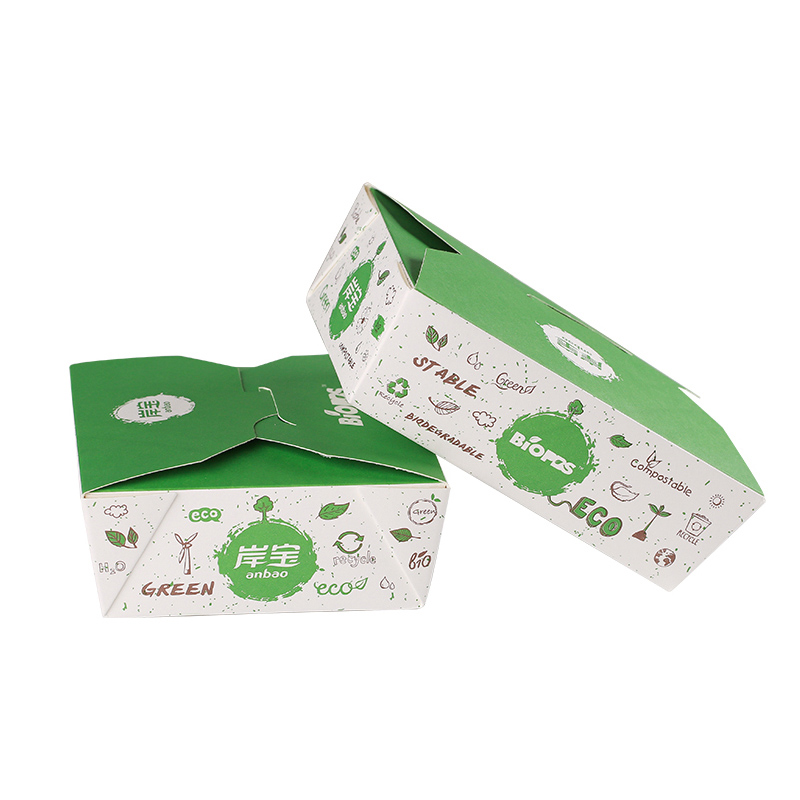
In the fast-paced modern life, the demand for convenience in catering consumption is increasingly prominent. Disposable fast food paper containers, with their unique advantages, have become an indispensable presence in the catering industry and daily consumption scenarios. This type of container, which is mainly made of paper, not only conforms to the current efficient and convenient pace of life, but also demonstrates its unique value compared to disposable containers made of other materials in the context of environmental protection concepts gradually taking root.
Tracing its origins, the popularity of disposable paper containers is closely related to the rise of fast food culture in the mid-20th century. With the acceleration of the pace of life, people’s demand for fast, hygienic, and ready to eat diets is increasing day by day. Paper, as a relatively inexpensive, easy to form, and thermally insulating material, has quickly become an ideal choice. The initial paper cups were often coated with a thin layer of wax on the inner wall to prevent leakage. Subsequently, with the advancement of technology, more heat-resistant and stable laminating processes have been widely applied, enabling paper containers to safely hold hot soup, oil, and even microwave heated meals. This development from simplicity to precision reflects how materials engineering responds to and shapes our way of life.
One of the core advantages of Disposable Fast Food Paper Container is its excellent safety and adaptability. High quality paper containers are usually made of food grade raw paper, processed through strict production processes, and do not contain harmful chemicals, which can effectively prevent food from coming into contact with harmful substances and ensure consumer food safety. At the same time, paper materials have good thermal insulation properties, which can effectively isolate heat when storing hot soup, hot rice, or fried foods, avoiding burns to consumers during use and improving comfort during use. In addition, paper containers have good formability and can be made into various shapes and sizes of products according to different catering needs. From common meal boxes and paper cups to shaped containers that are suitable for different foods, they can meet diverse catering storage needs and are suitable for various consumption scenarios such as fast food, takeout, and street snacks.
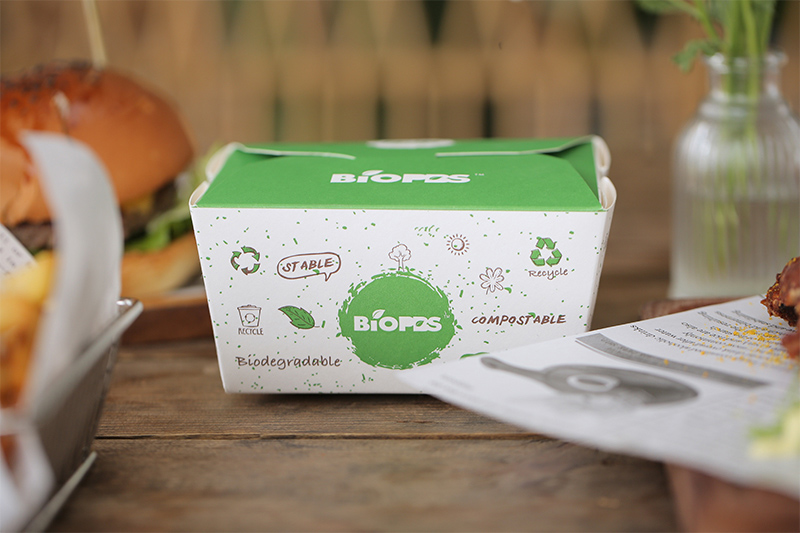
Structurally, a typical disposable fast food paper container is far from being as simple as a flat piece of paper. It is usually composed of multiple layers: the outermost layer is cardboard for printing brand information, providing basic support structure; There may be a recycled pulp layer in the middle to balance cost and strength; The inner layer that comes into direct contact with food is often the key barrier coating. This coating technology is the “soul” of the container, which must prevent moisture and oil from penetrating, maintain the flavor of the food, and also meet the requirements of microwave heating or short-term refrigeration under certain conditions. Common coating materials include polyethylene plastic film, as well as biodegradable materials such as polylactic acid that have emerged in recent years and claim to be more environmentally friendly. These intricate designs silently ensure the quality and safety of food from production to delivery to consumers.
In practical application scenarios, Disposable fast food paper containers are ubiquitous. In densely populated areas of office buildings, paper meal boxes dominate the large number of meals carried by food delivery personnel. They can securely hold various office meals and ensure the integrity of the food during the delivery process; Paper paper cups and bowls have become the first choice for holding drinks and snacks at snack stalls around schools. With their convenient usage and affordable cost, they are highly favored by businesses and student groups; In large-scale events, exhibitions and other collective occasions, paper fast food containers have become an ideal choice for centralized catering due to their lightweight, easy to carry and handle characteristics, effectively improving catering efficiency and reducing the difficulty of post meal cleaning.
Looking ahead to the future, disposable fast food paper containers are unlikely to disappear, but their form and connotation will continue to evolve. It may become smarter and truly achieve efficient recycling or harmless degradation through material innovation; It may also be incorporated into a broader service system, such as being combined with a deposit refund system to incentivize recycling. Anyway, its development trajectory will always be closely linked to our environmental awareness, policy guidance, and technological breakthroughs.