
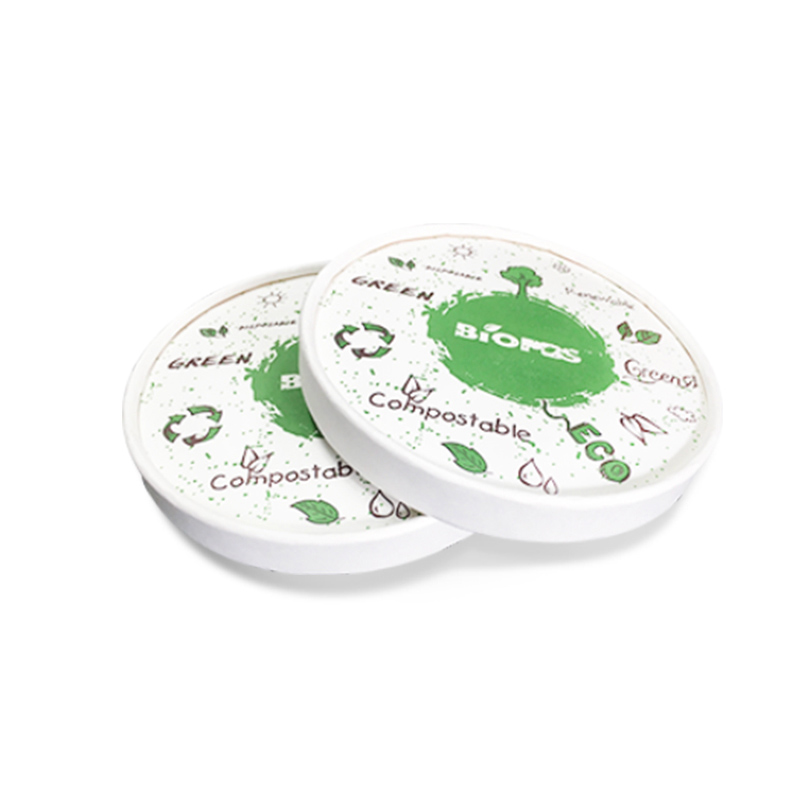
In the fast-paced modern life, disposable paper cups have become an important carrier for people’s convenient drinking. As the core supporting component of paper cups, the Drinking Paper Lid, although small in size, carries multiple practical functions such as sealing, leak prevention, hygiene protection, insulation, etc. It silently integrates into various aspects of daily travel, office rest, outdoor scenes, etc., becoming an indispensable small item in daily life. It not only solves the pain points of easy spillage and dust contamination when drinking paper cups, but also gradually breaks away from the positioning of traditional auxiliary components with the popularization of environmental protection concepts and the upgrading of production technology, and develops towards a more practical, environmentally friendly, and more suitable direction for diverse needs. In every inch, it demonstrates design wisdom and humanistic care.
The core value of the Drinking Paper Lid lies in its practical design that accurately adapts to paper cups, with every detail centered around convenient and safe drinking needs, taking into account the different usage scenarios of hot and cold drinks. Compared with plastic cup lids, high-quality paper cup lids pay more attention to safety and adaptability in material selection. Most of them use food grade virgin paper or recycled paper as the base, which has undergone special waterproof and oil resistant treatment. It can effectively block the penetration of beverages, avoid paper softening and deformation, and ensure that no harmful substances are released when in contact with food, which meets the basic needs of modern people for food safety. The choice of this material not only gives the paper cup lid the characteristics of being lightweight and easy to carry, but also enables it to achieve better compatibility with the paper cup. After the lid is closed, it tightly adheres to the edge of the paper cup, forming a reliable sealing effect, effectively preventing drinks from spilling during carrying and shaking, and solving people’s worries when carrying paper cups.
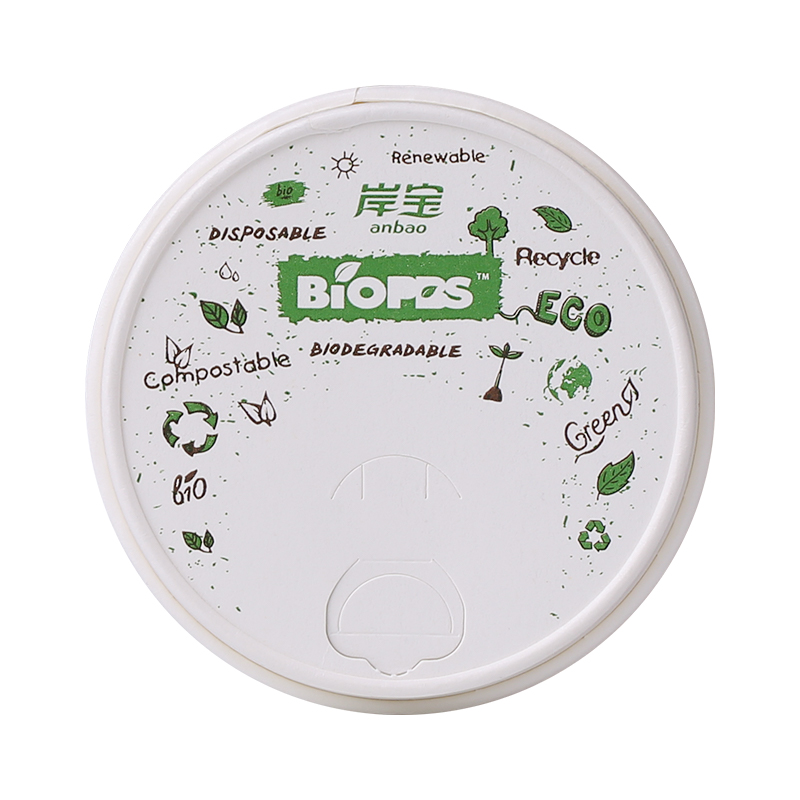
In addition to direct material safety, the design and function of paper cup lids are also closely related to the drinking experience and potential risks. The shape and size of the drinking port on the lid, as well as whether it is equipped with an openable leak proof plug, not only affect convenience, but also affect hygiene. Improper design of the drinking port may result in excessive contact between the user and the lid, or the detachment of small debris from the material during repeated opening and closing. In addition, the fit between the lid and the cup body is crucial. A lid that is too loose can easily lead to leakage, while a lid that is too tight may produce invisible microcracks due to excessive stress during fastening, which may become areas for pollutant accumulation or accelerated material aging. A often overlooked detail is that the inside of the lid may condense water droplets upon contact with high-temperature steam. If these condensed water drips back into the beverage, their water quality indirectly reflects the cleanliness of the lid material and production environment.
In terms of design details, the Drinking Paper Lid is meticulously considered, fully taking into account the drinking habits and usage scenarios of different beverages. Paper cup lids designed for hot drinks usually have dedicated drinking ports with smooth edges to avoid scratching the lips. Some styles also come with foldable flip covers that can be closed when not in use to reduce heat loss, maintain the appropriate temperature of the drink, and prevent dust and debris from entering the cup, ensuring the hygiene of the drink.
For consumers, understanding and adopting some simple practices can help them use paper cup lids with more peace of mind. Firstly, pay attention to the product labeling. Legitimate products usually indicate the material type (such as PP), temperature resistance range, words such as “for food contact”, and possible safety certification marks. Secondly, it is recommended to use according to the intended purpose. For example, a lid labeled as suitable for cold drinks should not be used to hold hot coffee, as its material formula and temperature resistance may differ. When using, try to avoid storing beverages at high temperatures for a long time to reduce any possible migration. For designs with leak proof plugs, the opening and closing movements should be gentle to avoid tearing the material.