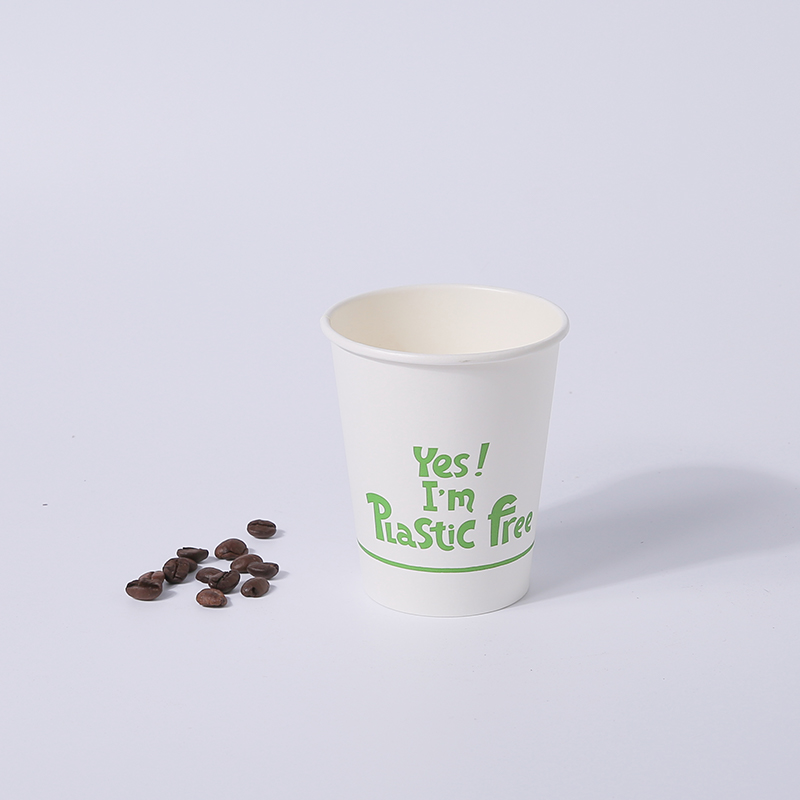
Against the backdrop of increasing global environmental awareness, Plastic Free Cup, as a green alternative to traditional plastic cups, is gradually entering the public’s daily life and commercial scenes. It is characterized by “no plastic additives, degradability, and recyclability” as its core features, reducing the generation of plastic waste from the source and effectively alleviating the pressure of white pollution on the ecological environment. Whether it is daily beverage consumption, outdoor travel, or commercial catering services, Plastic Free Cup has become an important carrier for practicing the concept of sustainable development with its environmental attributes and practical value, promoting the transformation of the beverage container industry towards green and low-carbon direction.
The rise of plastic free cups stems from a profound reflection on plastic pollution. Traditional disposable plastic cups have rapidly become popular in the past few decades due to their lightweight and inexpensive characteristics, but their difficult to degrade chemical properties have led to serious environmental problems. From ocean plastic pollution to microplastics entering the food chain, the ecological impact of plastic products is gradually attracting global attention. In this context, plastic free cups have emerged as an alternative solution, with the design concept of reducing or eliminating the use of plastic materials in beverage packaging without sacrificing convenience.
The core advantage of Plastic Free Cup lies in the diversified selection of environmentally friendly materials. Products made of different materials have their own characteristics and applicable scenarios, meeting the needs of different users. Paper plastic free cups are currently one of the most widely used types, made from food grade virgin pulp. Some products are covered with a biodegradable coating to enhance leak resistance. After use, they can naturally degrade and the raw materials are renewable, which is in line with environmental protection concepts. Bamboo and wooden plastic free cups are made from natural plant fibers and processed through pressing, polishing, and other techniques. They have good insulation and durability, and are suitable for repeated use, especially for outdoor camping, home drinks, and other scenarios. In addition, although stainless steel and glass plastic free cups belong to the category of metal and inorganic materials, they are also included in the mainstream category of Plastic Free Cups due to their long-term recyclability and no plastic residue. These products can be used for several years through proper maintenance, greatly reducing the environmental cost of single use.
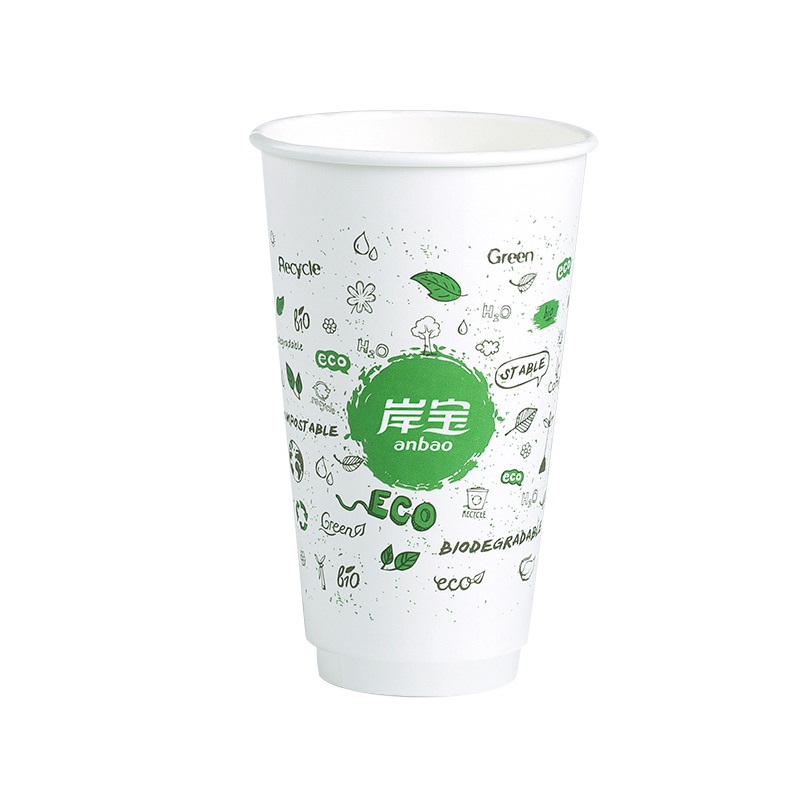
The manufacturing process is a crucial step in achieving the functionality of plastic free cups. Paper plastic free cups usually adopt a multi-layer composite structure to prevent liquid penetration through physical means or by adding natural waterproofing agents. Among them, water-based coating technology, beeswax coating, etc. are currently the forefront directions. The plant fiber cup is formed through high-temperature and high-pressure molding technology, allowing the fibers to form a stable mesh structure in the mold, which not only maintains the characteristics of natural materials, but also has sufficient strength for use. No matter what materials and processes are used, the production process pays more attention to resource efficiency and energy consumption control, striving to reduce the environmental footprint of the entire lifecycle.
Compared to traditional disposable plastic cups, Plastic Free Cup not only has environmental advantages, but also has comparable user experience and safety. Most plastic free cups made of environmentally friendly materials have undergone strict food grade safety testing, with no plastic odor, and will not release harmful chemicals when holding hot water like inferior plastic cups, ensuring beverage safety and human health. In terms of user experience, paper plastic free cups have good thermal insulation performance, avoiding burns when held in hand; Stainless steel and glass plastic free cups can be designed with insulation layers to achieve long-term insulation or cooling, adapting to the storage needs of different beverages. The partially reusable Plastic Free Cup is also equipped with sealed cup lids, portable lifting ropes, and other accessories to enhance the convenience of use and further strengthen the practicality and promotion of the product.
Looking ahead to the future, the development of plastic free cups will present a more diverse path. Materials science may bring about bio based materials with superior performance and lower cost; The circular economy model may give rise to more innovative product and service systems, such as cup rental and sharing networks; Digital technologies such as blockchain can be used to track the product lifecycle, enhance transparency and credibility. At the same time, the plastic free concept may be further expanded, focusing not only on the cup body itself, but also on material substitution solutions for supporting components such as cup lids and straws.
The journey of plastic free cups has just begun, connecting innovation in material scientists’ laboratories, improvements on manufacturers’ production lines, choices on merchant shelves, and every use in consumers’ hands. This seemingly tiny container carries people’s expectations for a better environment and also heralds a quiet shift in the consumer goods world towards harmonious coexistence with nature.